Formulation, processing and documentation capabilities for fat-soluble vitamins and premixes — applied where they suit the product, grade and application, and described only as far as they are validated.
A capability is applied only where it suits the vitamin, the grade and the customer’s end use. Available formats are confirmed against the current specification.
S.2
Systems, not personalities
Our capability rests on documented processes, specifications and records — organizational knowledge that stays consistent from one batch and one project to the next.
S.3
Validated statements
Performance is described only as far as it has been validated for the specific product. Where data is not yet available, we say so.
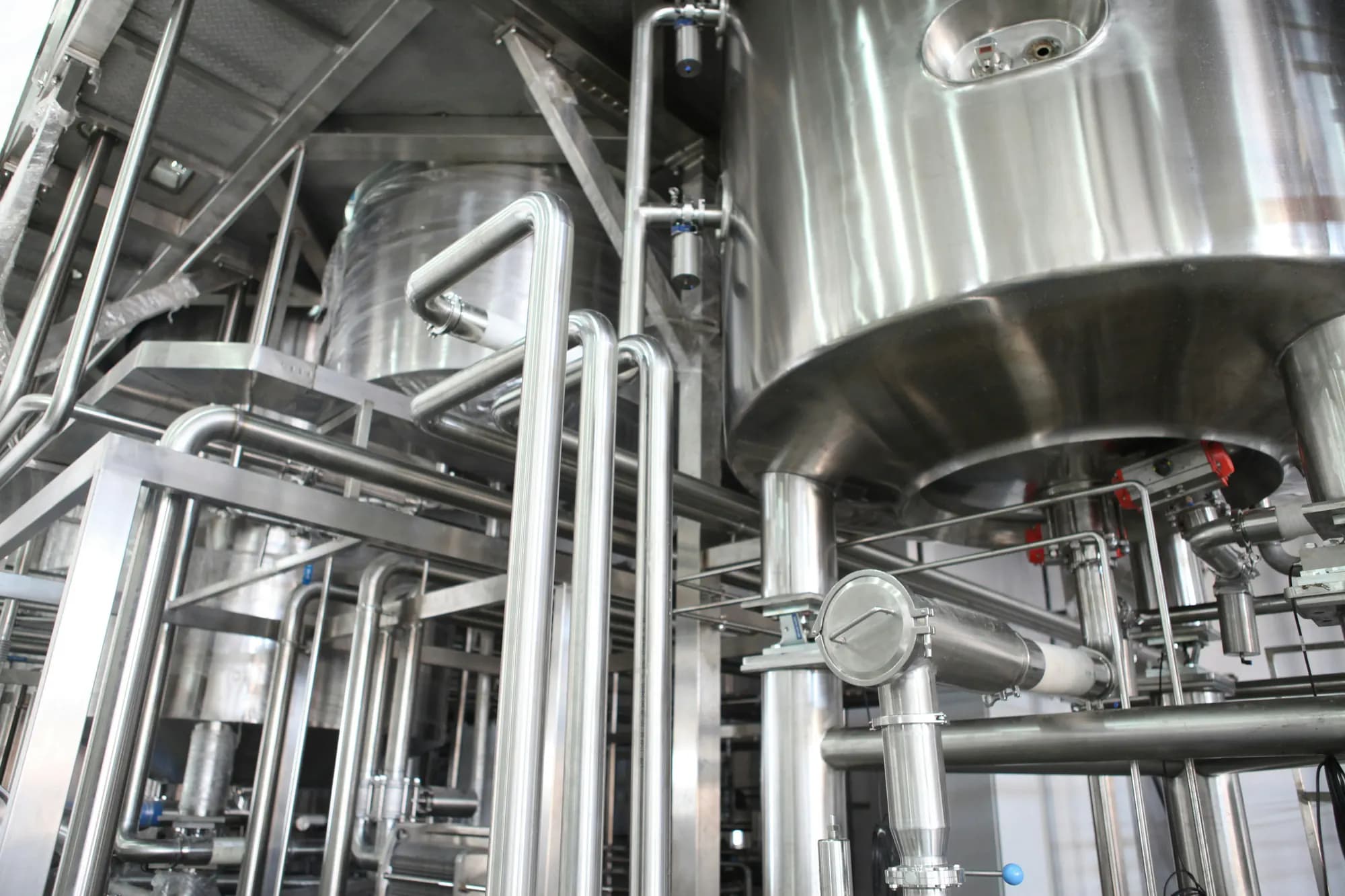
Fig. 01Representative image
01Capability
Microencapsulation
Powder systems for fat-soluble vitamins, designed around handling, stability and dispersion — where applicable.
Vitamins A, D3 and E are sensitive to oxygen, light, heat and moisture, and in concentrated form they are oils or very low-dose actives that are difficult to handle in dry blends. Microencapsulation embeds the vitamin in a protective carrier or coating matrix to give a free-flowing powder that can be weighed, dosed and mixed consistently. Where it suits the product and grade, we use microencapsulated powder systems to support stability in storage and processing and even distribution in dry applications.
Free-flowing powder formats for dry blending, tableting and premixing
Coating and carrier systems selected by grade and application
Designed for handling and dispersion in the customer’s own process
Stability information shared where available for the specific grade
Applies to
Vitamin D3 · Vitamin A · Vitamin E · premixes — powder formats
Oil-based and water-dispersible vitamin systems for liquid applications — where applicable and validated.
Liquid and fat-based products need the vitamin in a form that is compatible with the matrix. Oil solutions suit softgels, edible oils and fat-based foods; emulsion and dispersion systems, including nano-emulsified systems where applicable, are used when a fat-soluble vitamin must disperse in a water-based product. We develop these systems only where they fit the vitamin, grade and end use, and we describe their performance only as far as it has been validated for that product.
Oil solutions for softgels, edible oils and fat-based matrices
Water-dispersible systems for suitable liquid applications
Carrier oils and emulsifiers declared in the composition statement
Performance statements limited to validated capability
Applies to
Vitamin D3 · Vitamin A · Vitamin E — oil and liquid formats
Customer-specific target concentrations, carriers and vitamin combinations — subject to feasibility.
Many manufacturers need a vitamin at a potency, on a carrier or in a combination that a standard grade does not provide. We work from the customer’s brief — application, matrix, target potency, dosing method and destination market — to develop a customized vitamin ingredient or premix, subject to technical and regulatory feasibility. Food, nutraceutical and feed developments are kept separate from the first brief onwards.
Target potency set to the customer’s dosing method and inclusion rate
Carrier selection for compatibility with the matrix and process
Single-vitamin dilutions and A / D3 / E or other approved combinations
Food, nutraceutical and feed premixes specified and documented separately
Applies to
Customized premixes · diluted vitamin forms · multi-vitamin systems
Specification-led testing and a complete document set for each product and grade.
Buyers’ quality teams need evidence rather than assurances. Each product is supplied against a defined specification, and each batch is released with a Certificate of Analysis reporting its results against that specification. Product specifications, technical data sheets, safety data sheets, and composition and source statements are prepared by product and grade and shared with qualified buyers.
Certificate of Analysis (COA) for each batch supplied
Product specification and technical data sheet (TDS) by grade
Safety data sheet (SDS/MSDS), composition and source statements
Analytical method and stability information where available
Applies to
All vitamin ingredients and premixes · documents by product and grade
The capabilities behind every batch: standardized potency, homogeneous blending, stability-minded formulation, bulk supply and technical collaboration.
05
Vitamin Formulation & Potency Standardization
Vitamin activity standardized to a declared potency, so each batch doses the same way.
Vitamin concentrates are standardized to a declared potency — expressed, for example, in IU/g — so that the customer’s inclusion rate stays the same from batch to batch. Standardization is carried out against the product specification and confirmed by assay on the Certificate of Analysis.
Blending designed to distribute low-dose vitamins uniformly through a carrier.
Vitamins are often present at very low levels relative to the carrier, so blending sequence, mixing time and pre-dilution steps matter. Our processing is focused on homogeneity — distributing the vitamin evenly through each batch — and on batch records that keep each lot traceable.
Pre-dilution steps for very low inclusion rates
Carrier particle size considered for mixing behavior
Formats, carriers and packaging chosen with storage and processing conditions in view.
Stability depends on the vitamin, its format, the matrix and the conditions it will meet — heat, moisture, oxygen, light and time. Choices such as encapsulation, carrier, antioxidant system and packaging are made with those conditions in view. Stability information is shared where it is available for a specific grade; it is not extrapolated to other grades or matrices.
Format selection for heat, moisture and oxygen exposure
Packaging chosen to protect sensitive vitamins
Stability information by grade, where available
All formats · food, nutraceutical and feed processing conditions
Bulk industrial packaging and supply planning for manufacturers and export buyers.
Products are packed for industrial use in bulk formats suited to the product, with labels that carry product, grade and batch identification. Pack sizes, minimum quantities and lead times depend on the product and destination and are confirmed with each quotation. For export supply, documentation and packing are planned with the destination market in view.
Bulk packs suited to powders and oils
Product, grade and batch identified on every label
Pack size, MOQ and lead time confirmed per quotation
Domestic and export B2B supply · subject to product
Working with customers’ formulation, quality and regulatory teams on specific requirements.
Specification questions rarely have an off-the-shelf answer. Our technical team works with customers’ formulation, quality and regulatory teams on format selection, inclusion rates, documentation requirements and destination-market considerations — as an organization, with documented outcomes at each stage.
Format and inclusion-rate discussions
Documentation requirements agreed early
Destination-market considerations reviewed with you
New developments · specification reviews · supplier approvals
Is every vitamin available in microencapsulated form?
No. Microencapsulation is applied where it suits the vitamin, the grade and the application. The formats currently available for each product are confirmed against its specification when you enquire.
Do you offer nano-emulsified vitamin systems?
Emulsion and dispersion systems, including nano-emulsified systems, are considered only where they are applicable to the vitamin and end use and where their performance has been validated. Share your application and we will confirm what is feasible.
Can you develop a vitamin ingredient at a potency outside your standard range?
Customer-specific target concentrations are possible, subject to technical and regulatory feasibility. The feasibility review covers potency, carrier, format, stability considerations and the rules of your destination market.
What stability information can you share?
Stability information is shared where it is available for the specific grade and format. We do not extrapolate stability data from one grade or matrix to another.
How does technical collaboration work in practice?
It starts with your brief and continues through a feasibility review, a proposed specification, sample discussion and supply, with documented outcomes at each stage. Pack sizes, minimum quantities and lead times are confirmed with the quotation.
Bring us a formulation question, not just a purchase order.
Share your vitamin, format, target potency and application. Our technical team reviews feasibility and responds with a specification and documentation list.